
Social Media Marketing (SMM) is the process of promoting a brand, product, or service through social media platforms to attract, engage, and convert an audience.
It involves creating and sharing content, running paid ads, building a community, and analyzing performance to achieve marketing goals like brand awareness, leads, or sales.
Popular platforms used for social media marketing include:
- X
- YouTube
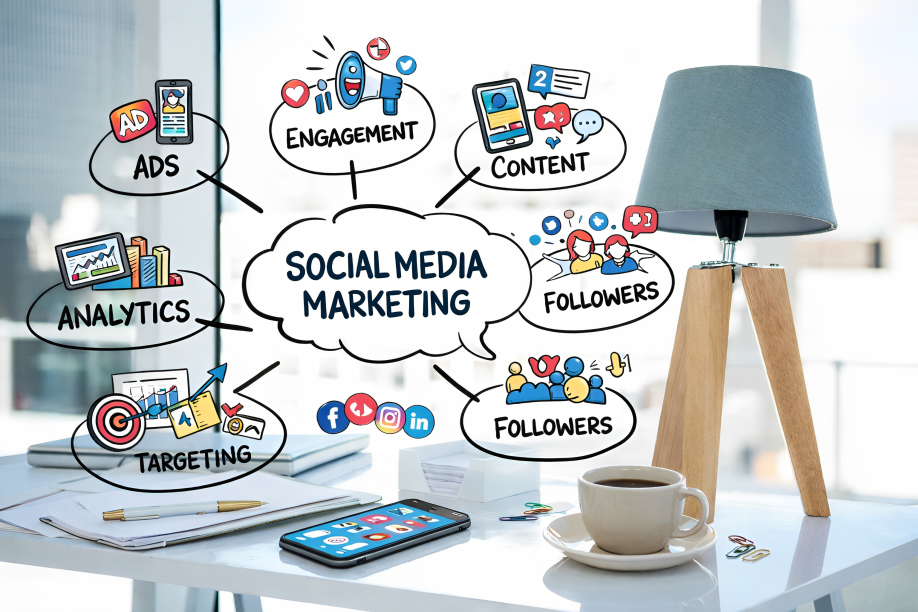
Introduction to Social Media Marketing
Social Media Marketing is one of the most powerful tools in today’s digital world, helping businesses connect directly with their target audience in a meaningful and engaging way. It is the strategic use of social media platforms to build brand awareness, generate leads, increase website traffic, and drive sales.
Platforms like Facebook, Instagram, LinkedIn, X, and YouTube have transformed the way brands communicate with their customers. These platforms allow businesses to interact with audiences instantly and share content that builds strong relationships with their followers.
How Social Media Marketing Works
Unlike traditional marketing, social media marketing focuses on two-way communication. Businesses can engage in real-time conversations, respond to customer feedback, and build long-term relationships with their audience.
It also involves creating high-quality content such as posts, reels, videos, carousels, stories, and advertisements that capture attention and encourage interaction.
Building an Effective Social Media Strategy
A strong social media strategy begins with understanding the target audience — their interests, behaviors, and pain points. Businesses can then create content that provides value through education, entertainment, or inspiration.
Consistency, creativity, and data-driven decision-making are essential elements of successful social media marketing campaigns.
Organic Growth and Paid Advertising
Through organic strategies, brands can grow their presence naturally by building communities and encouraging user engagement. Regular posting, meaningful interaction, and valuable content help increase visibility over time.
At the same time, paid advertising allows businesses to reach highly targeted audiences based on demographics, interests, and online behavior. This ensures that marketing budgets are used effectively.
Importance of Analytics and Performance Tracking
Analytics and performance tracking are important in social media marketing. They help marketers understand which type of content performs best and how campaigns are performing.
By analyzing engagement, reach, and conversions, businesses can improve their strategies and achieve better results.
Building Trust and Brand Identity
Social media marketing is not just about publishing content. It is about storytelling, brand positioning, and creating a digital identity that connects with people.
Consistent communication and valuable content help build trust with audiences, turning followers into loyal customers and long-term brand advocates.
The Future of Social Media Marketing
In a competitive digital landscape, businesses that use social media marketing effectively gain a strong advantage. It keeps brands visible, relevant, and connected with their audience.
Whether the goal is to increase brand awareness, improve engagement, generate leads, or drive conversions, social media marketing provides scalable and measurable growth opportunities.